An outdoor insect catching set turns a walk in the yard, a park visit, or a camping afternoon into hands-on nature time. With the right tools, bugs can be observed up close without harming them, then released where they were found. This guide breaks down what typically comes in a set, how to use each piece safely, and how to keep everything clean and ready for the next adventure—whether it’s fireflies at dusk, beetles under logs, or butterflies in a sunny patch of flowers.
If you’re stocking up for weekend exploring, the Outdoor Insect Catching Set is a simple way to keep the essentials together so kids (and adults) can focus on observing, not improvising.
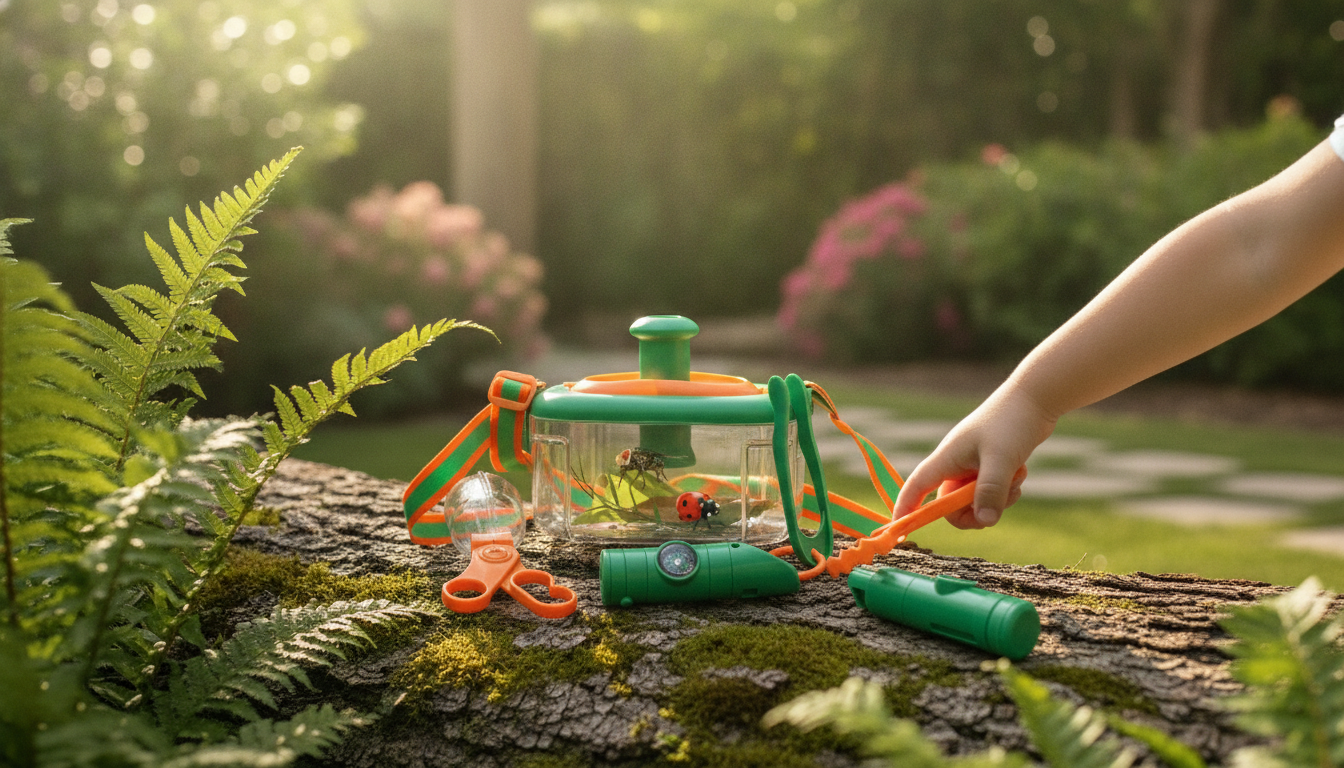
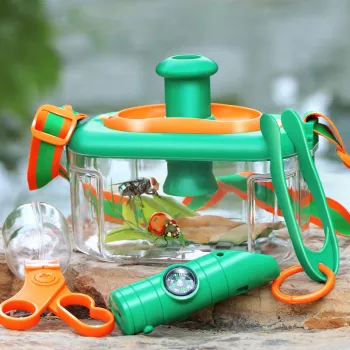
- Catch tool: a lightweight net or scoop designed to reduce wing and leg damage during capture.
- Observation container: a vented jar or box for short viewing periods; airflow matters on warm days.
- Viewing aid: magnifier, small lens, or simple viewer to spot antennae, wing veins, and patterns.
- Handling helpers: soft-tipped tweezers or a gentle pooter-style tube (used carefully) for tiny insects.
- Kid-friendly add-ons: lanyard, carry bag, or small field card space for notes and sketches.
Even a basic set can support great learning—especially when it encourages a gentle “look closely, then let it go” routine.
Where this set is most fun to use
- Backyards and gardens: pollinators near flowers, ladybugs on leaves, and moths near porch lights.
- Parks and trails: look along edges where sun meets shade; insects often gather at transition zones.
- Near water: dragonflies and damselflies patrol ponds and streams (observe without disturbing nests).
- Camping and picnics: quick catch-and-release observations can keep kids engaged between activities.
- School and scout outings: works well for simple biodiversity counts and nature journaling.
Quick habitat guide
| Spot |
What to look for |
Best time |
| Flower beds |
Bees, butterflies, hoverflies |
Late morning to afternoon |
| Under logs/rocks |
Beetles, pill bugs, centipedes |
Cooler hours; return cover gently |
| Grass and shrubs |
Grasshoppers, leafhoppers, spiders |
Midday |
| Porch lights |
Moths, flying beetles |
After sunset |
| Pond edges |
Dragonflies, water striders |
Warm sunny days |
Catch-and-release basics that protect insects
- Keep observation time short: a few minutes is often enough, especially in heat.
- Avoid squeezing: guide insects into the container rather than pinching or gripping legs/wings.
- Provide shade: hold containers out of direct sun to prevent overheating.
- Release exactly where found: many insects rely on specific host plants or microhabitats.
- Skip risky species: if unsure about stingers or biting insects, observe without capturing.
A good rule for kids: if you wouldn’t want to be grabbed by the arm and carried into a hot room, the insect doesn’t either. Gentle handling and short viewing windows keep the experience safer for both the bug and the observer.
How to use the tools step by step
- Approach slowly and from the side: sudden shadows can startle insects into flight.
- Use the net with a gentle sweep: for flying insects, a soft arc works better than a fast jab.
- Close the net: twist the handle slightly so the insect stays in the net pocket without pressure.
- Transfer to a container: place the container opening against the net and guide the insect inside.
- Observe and identify: look for body segments, wing shape, coloration, and antenna type; jot quick notes.
- Release calmly: open the container near the capture spot and allow the insect to leave on its own.
For tiny insects, a soft-tipped tool can help move a leaf or guide the insect without direct contact. When in doubt, observe through the container and prioritize quick release.
Safety tips for kids and families
- Hand washing matters: encourage washing after handling containers, soil, or leaf litter.
- Allergies and sensitivities: keep antihistamines/epinephrine available if prescribed and avoid known triggers.
- No bare-hand handling of unknown insects: some can sting, bite, or cause skin irritation.
- Use repellent thoughtfully: follow label directions, especially for children, and avoid applying to hands or near eyes.
- Respect protected areas: some parks limit collecting—stick to brief observation and release.
For bite and tick prevention basics, rely on public health guidance like the CDC’s tips to avoid bug bites and the EPA’s safe repellent use guidelines. If you’re in tick-prone areas, review the National Park Service tick safety page before heading out.
Cleaning, storage, and keeping the set ready
- Empty and air out containers after each outing to prevent odors and mold.
- Rinse with mild soap and water: avoid harsh chemicals that can leave residue harmful to insects.
- Dry completely: moisture trapped in jars or bags can cause mildew.
- Check net seams and frames: repair small tears early so insects don’t escape and the net lasts longer.
- Store in a cool, dry place: keep away from direct sunlight to reduce plastic brittleness and fabric fading.
If you’re trying to cut down on harsh products at home, Reducing Chemical Cleaners for a Healthier Home and Planet pairs nicely with the “mild soap and rinse” approach for family gear, crafts, and everyday cleanup.
A simple way to turn catching into a mini nature study
FAQ
How long can an insect stay in the observation container?
Keep it brief—usually a few minutes. Shorten the time in hot weather, keep the container shaded, and release the insect exactly where it was found.
Is it safe to catch butterflies and other delicate insects?
Yes, with care: use a soft net, avoid touching wings, transfer gently to a vented container, and release quickly. If the insect seems stressed, skip capturing and observe visually instead.
Do kids need insect repellent while using a catching set?
It can be helpful in mosquito or tick areas. Follow the product label for age and application, avoid hands and faces, and consider long sleeves and pants when bugs are heavy.
Recommended for you



Leave a comment